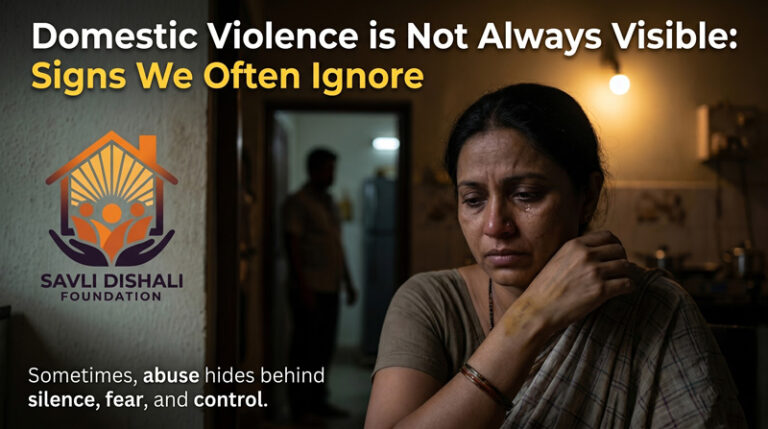
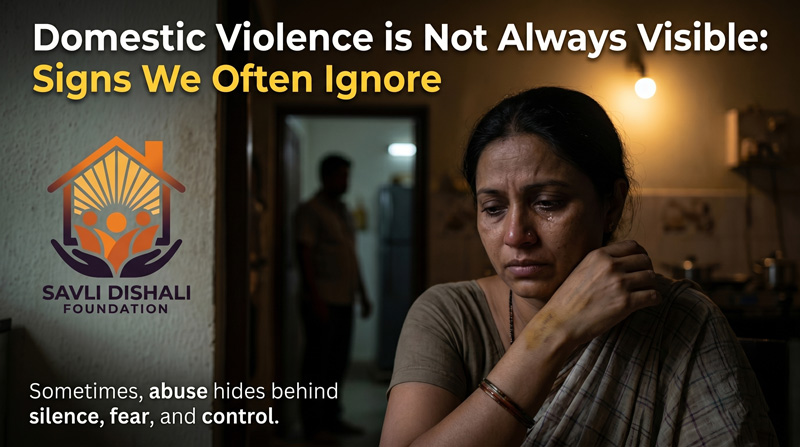
When people hear the words “domestic violence,” they often imagine visible bruises or physical injuries.
But abuse is not always loud.
Sometimes it hides behind silence, fear, emotional control, financial dependence, or isolation. Many women continue living in abusive environments for years without anyone around them realizing what they are going through.
They may smile in public, continue daily responsibilities, and remain silent because they are scared, financially dependent, emotionally trapped, or worried about social judgment.
Domestic violence is far more common than most people realize, and many signs are ignored until the situation becomes dangerous.
Understanding these warning signs can help save lives.
Domestic Violence Goes Beyond Physical Abuse
Abuse is not limited to hitting or physical harm.
Domestic violence can take many forms, including:
- Emotional manipulation
- Constant humiliation
- Threats and intimidation
- Financial control
- Isolation from friends or family
- Verbal abuse
- Forced dependency
- Controlling behavior
- Psychological pressure
In many homes, abuse becomes so normalized that victims themselves begin to believe they deserve it or have no way out.
This silent suffering often remains hidden for years.
Common Signs That Are Often Ignored
Sudden Isolation
One of the earliest signs is when a woman slowly disconnects from family, friends, or social activities.
This may happen because:
- Her movements are controlled
- She is constantly monitored
- She fears creating conflict at home
- She has been emotionally manipulated into cutting ties
Isolation increases emotional dependence and makes seeking help much harder.
Fear Around Communication
Many victims become anxious while speaking on calls, replying to messages, or interacting in public.
They may:
- Frequently apologize
- Avoid speaking openly
- Look nervous around their partner
- Hesitate before answering questions
Fear often becomes part of their daily routine.
Financial Dependence and Control
Abuse is not always physical. In many cases, financial control becomes a powerful tool.
Some women are:
- Denied access to money
- Prevented from working
- Forced to justify every expense
- Left financially helpless despite contributing to the household
This creates dependency and makes leaving abusive situations extremely difficult.
Emotional Exhaustion
Victims of domestic violence often experience:
- Anxiety
- Depression
- Low confidence
- Withdrawal from social life
- Constant fear of making mistakes
Over time, emotional abuse can damage self-worth more deeply than visible injuries.
Frequent “Accidents” or Excuses
Many women hide abuse by explaining injuries as accidents or minimizing incidents.
Phrases like:
- “It was my fault.”
- “He was just angry.”
- “It only happened once.”
are often signs of deeper ongoing abuse.
Fear and emotional manipulation can prevent victims from speaking honestly about their situation.
Why Many Women Stay Silent
One of the biggest misconceptions is asking, “Why doesn’t she just leave?”
The reality is far more complicated.
Women may stay because of:
- Fear for their safety
- Children and family pressure
- Financial dependence
- Emotional trauma
- Social stigma
- Lack of support systems
- Fear of being judged or blamed
In many cases, victims are made to believe they have nowhere safe to go.
This is why support systems and intervention are so important.
The Long-Term Impact of Domestic Violence
Domestic violence affects every part of a person’s life.
The consequences can include:
- Severe emotional trauma
- Physical injuries
- Mental health struggles
- Social isolation
- Loss of confidence
- Fear and insecurity
- Financial instability
Children growing up in abusive households are also deeply affected emotionally and psychologically.
Abuse does not end when the violence stops. Recovery often takes years.
The Importance of Early Intervention
Recognizing warning signs early can prevent situations from escalating further.
Sometimes, victims simply need:
- Someone who listens without judgment
- A safe place
- Guidance and emotional support
- Access to shelter or protection
This is where NGOs and community support become critical.
Immediate intervention can help women escape dangerous environments before irreversible harm occurs.
How Savli Dishali Foundation Supports Women
For over 17 years, Savli Dishali Foundation has been working closely with women facing abuse, abandonment, and unsafe living conditions.
The organization intervenes in domestic violence cases by:
- Providing immediate support and protection
- Offering shelter and safe environments
- Assisting vulnerable women in crisis situations
- Working alongside local authorities when necessary
Their focus is not only rescue, but helping women regain stability, dignity, and emotional security.
Every intervention can become the beginning of a safer future.
How You Can Help Someone Facing Abuse
You do not need to solve everything alone to make a difference.
You can:
- Listen without judgment
- Encourage victims to seek help safely
- Support NGOs working with vulnerable women
- Spread awareness about emotional and psychological abuse
- Report serious cases where intervention may be needed
Sometimes, simply believing someone’s story is the first step toward helping them escape abuse.
Conclusion
Domestic violence is not always visible, but its effects are deeply damaging and long-lasting.
Behind closed doors, many women continue to suffer in silence while appearing “normal” to the outside world.
Awareness is important because recognizing the signs early can protect lives, restore dignity, and create pathways to safety.
No woman should feel trapped in fear inside her own home.
By building awareness, supporting intervention efforts, and creating safe spaces for victims, society can become part of the solution instead of remaining silent.